
A black birthday background covers a wider range than it sounds — glitter papers, marble textures, leather grain, and gothic rose patterns all fall under “black background”, and each reads differently once you drop text or photos over it. The 35 backgrounds below are ranked by how often other buyers have saved each one, from an abstract brush-stroke set at the top down to two brand-new releases with zero saves yet.
This black background library adds new designs every week, spanning glitter, marble, leather, and grunge textures. Every file here is delivered print-ready at high resolution, so you can use them for invitations, banners, or digital posts without any upscaling.
See also: black birthday theme aesthetic.
Quick Answer: This guide covers 35 black birthday backgrounds — glitter papers, marble and leather textures, Art Deco patterns, and gothic rose designs — ranked from most-saved to least-saved. Each file is a print-ready digital download.
The most-saved background in this list is a plain abstract brush-stroke set, not a glitter or marble design — a sign that buyers browsing black backgrounds often want a subtle texture they can build a design around, rather than something already decorated.
All files below are digital downloads. Open the JPG or PNG in your editor of choice, add your party details or photos, and print at home or through a local shop. The list runs in order of popularity, so the top few are what other buyers have saved the most.
1. Black Abstract Brush Strokes
A collection of 40 abstract black brush-stroke elements on transparent backgrounds, delivered as PNG plus editable EPS and AI files so the strokes can be recolored or resized around your text.
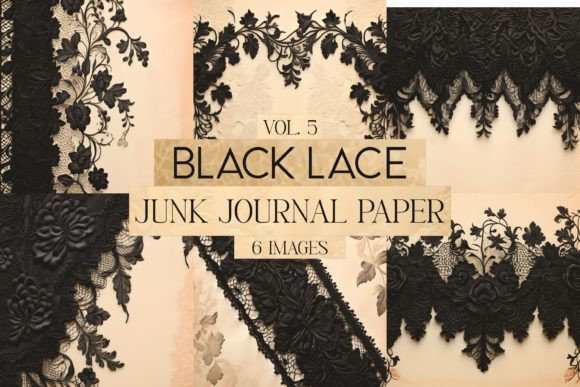
2. Black Lace Junk Journal Paper Vol. 5
A bundle of 6 black lace trim textures over beige vintage square paper, sized at roughly 3600x3600px — the softest, most vintage-leaning option in this set.
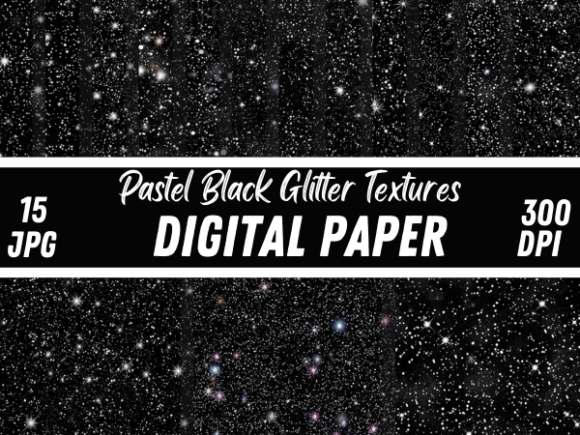
3. Pastel Black Glitter Paper Backgrounds
A set of 15 black glitter digital papers at 3600x3600px, 300 DPI, aimed squarely at gift wrap and invitation backgrounds rather than screen use.
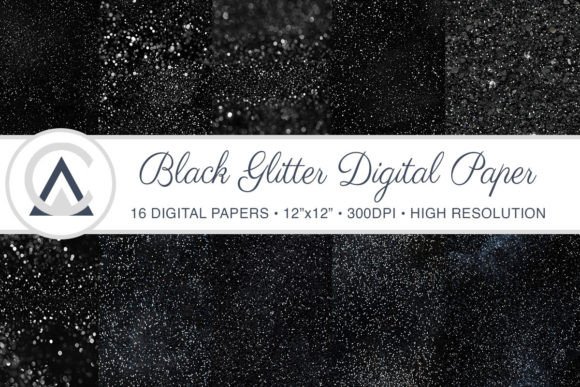
4. Black Glitter Digital Paper Backgrounds
A set of 12 tileable black glitter backgrounds at 12×12 inches, delivered in both PNG and JPEG so you can pick a transparent or solid-fill version.
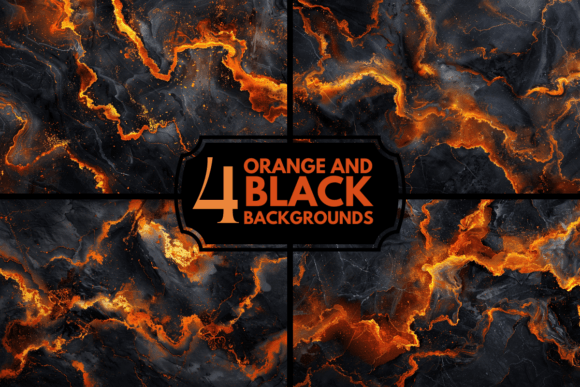
5. Orange Black Marble Background Bundle
A 4-pack of orange and black alcohol-ink marble backgrounds with a molten, lava-like swirl — the boldest colour pairing in this list.
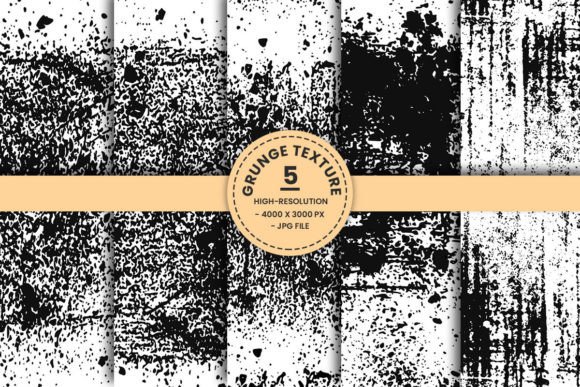
6. Black Grunge Texture, Digital Paper
A set of 5 black-and-white grunge paint-texture papers with a distressed concrete-and-splatter look, better suited to an edgy or industrial-themed party than a soft aesthetic.
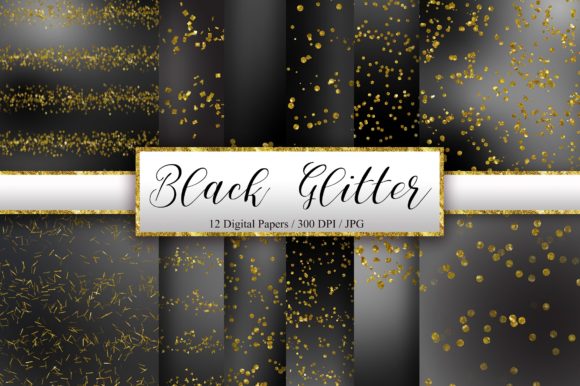
7. Black Glitter Background Digital Papers
A set of 12 black glitter digital papers at 12×12 inches, a plainer and more even sparkle than the pastel-tinted glitter set above.
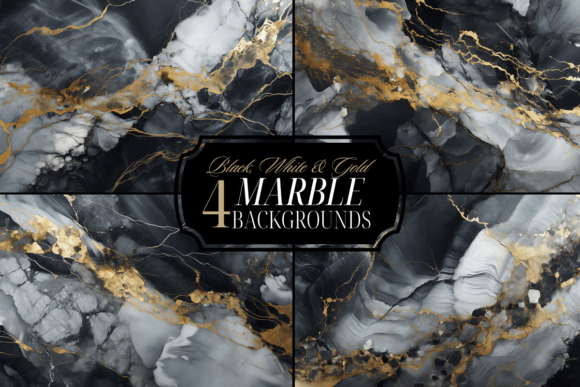
8. Black White Gold Marble Background Pack
A 4-pack of black, white, and gold alcohol-ink marble backgrounds with a more classic, jewel-toned finish than the orange-black marble set.
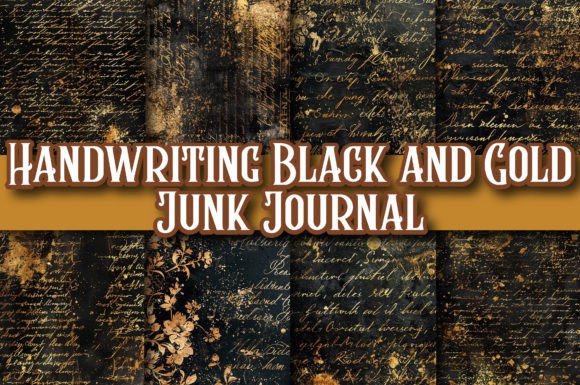
9. Handwriting Black and Gold Junk Journal
A set of 16 black-and-gold digital papers built around vintage handwriting and ledger-style overlays, for a moody, antique-document look.
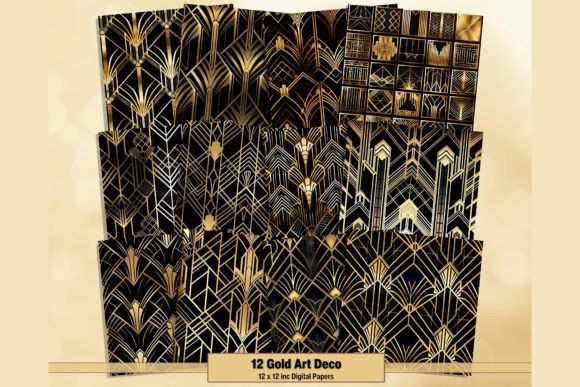
10. Black and Gold Art Deco Digital Papers
A set of 12 black-and-gold Art Deco digital papers with geometric retro patterning, best matched to a 1920s-themed party.
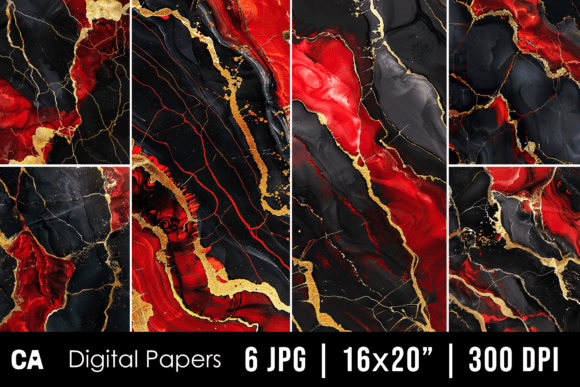
11. Abstract Black Red Marble Backgrounds
A set of 6 printable black, red, and gold marble backgrounds sized for invitations and cards at 4800x6000px.
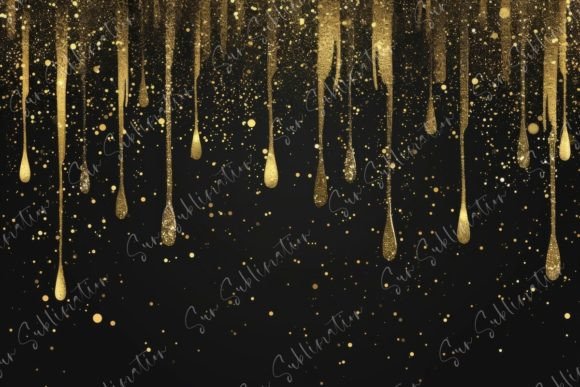
12. Black and Gold Background with Glitter
A single black-and-gold glitter-and-drip background at 4500x3000px, with a dripping paint effect layered over the glitter.
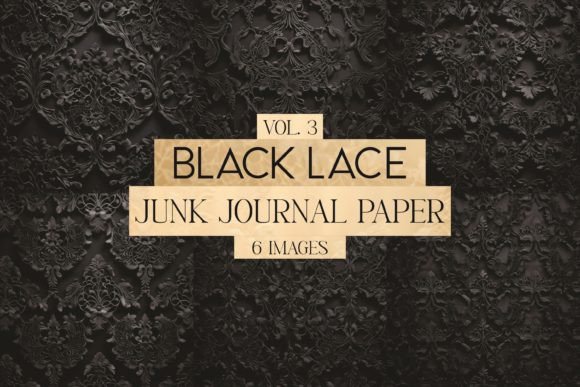
13. Black Lace Junk Journal Paper Vol. 3
A second bundle of 6 black lace fabric-texture square papers from the same Vol. 5 series above, giving you more pattern variety within the same style.
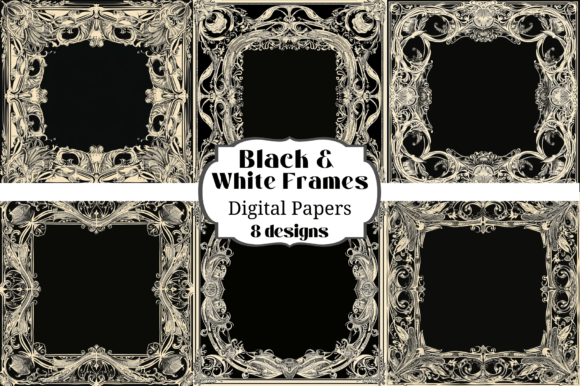
14. Black & White Victorian Frames
A set of 8 black-and-white ornate Victorian picture-frame illustrations delivered as standalone PNGs, useful for framing photos or text on an invitation.
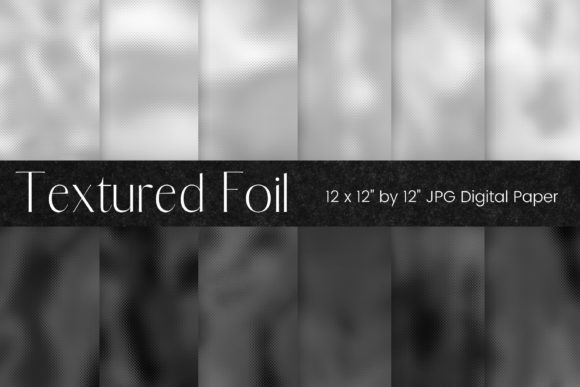
15. Black Grey Textured Foil
A set of 12 black-and-grey textured foil digital papers with a metallic sheen, closer to a brushed-metal look than a glitter finish.
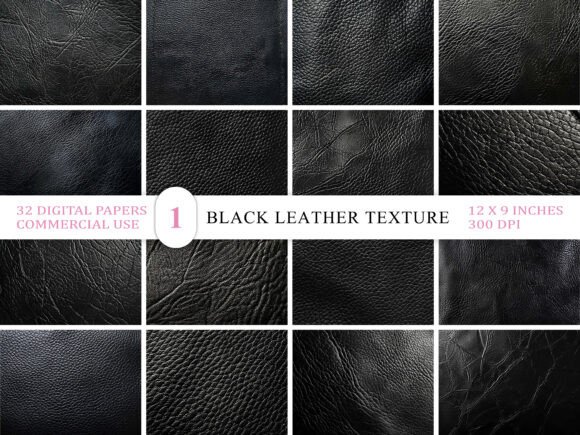
16. Black Leather Texture Background Bundle
A set of 32 black leather-texture backgrounds with subtle grain and distressed finishes, delivered at 3600x2700px.
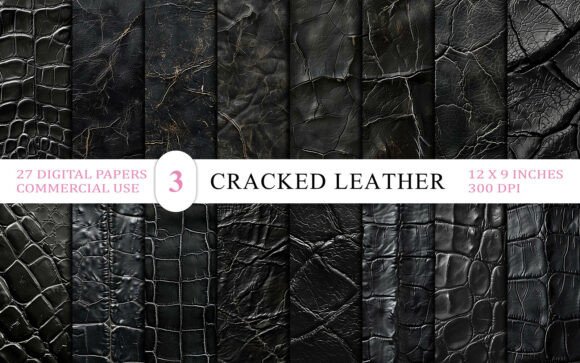
17. Black Cracked & Crocodil Leather Texture
A set of 27 black cracked-and-crocodile leather-texture backgrounds, a rougher and more reptilian variant of the leather set above.
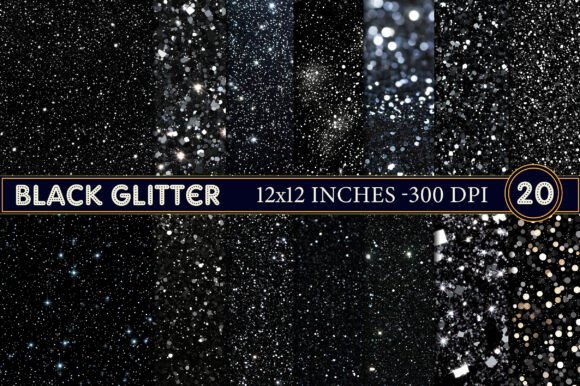
18. Black Glitter Digital Paper
A set of 20 black glitter PNGs with a transparent background, meant to be layered as an overlay on top of another design rather than used alone.
Browse All Black Background Designs →
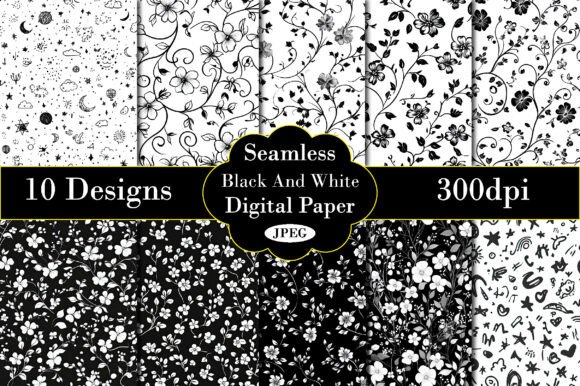
19. Black and White Background Digital Paper
A set of 10 black-and-white iridescent repeating-pattern JPGs at roughly 4096x4096px, with a subtle colour-shift effect under different lighting.
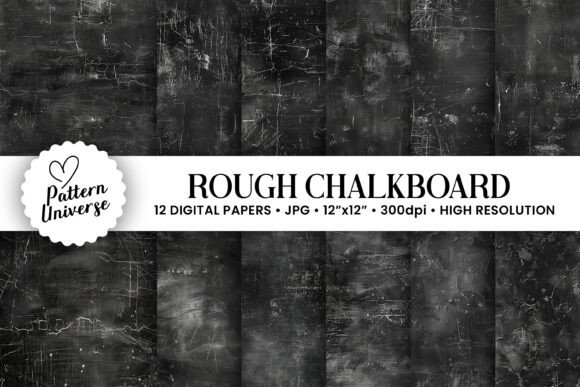
20. Rough Black Chalkboard Texture Patterns
A set of 12 rough black chalkboard-texture digital papers, styled to look like an actual chalkboard surface rather than a smooth digital black.
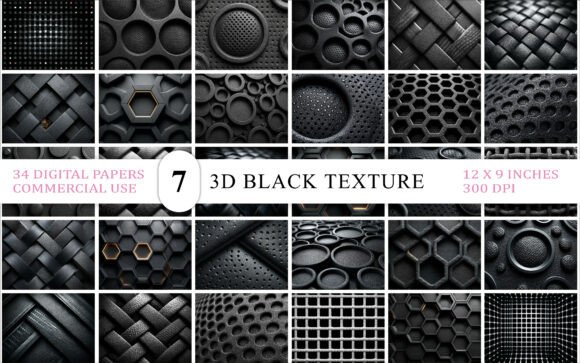
21. Futuristic Black 3D Texture Backgrounds
A set of 34 futuristic black 3D-texture backgrounds featuring hexagonal grids and sci-fi styled surface detail — the most modern, tech-leaning option in this list.
22. Black Gold Star Glitter Background
A single black-and-gold background with scattered shimmering stars and sparkle detail, at 5824x3264px.

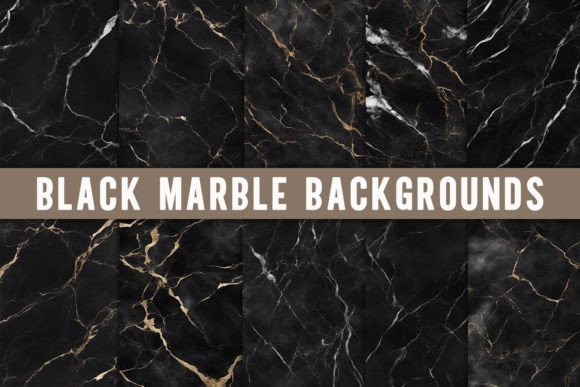
23. Black Marble Backgrounds
A set of 10 deep black marble backgrounds with a smooth, veined finish, plainer than the earlier marble bundles that mix in gold or orange.
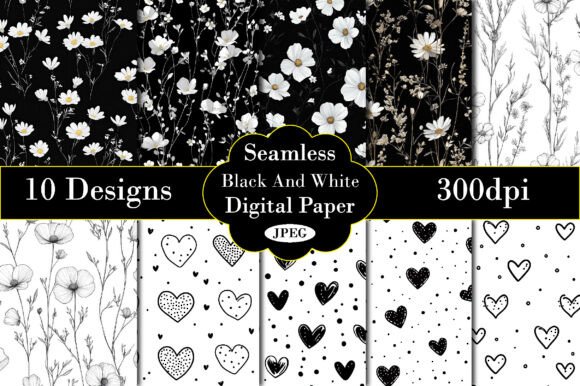
24. Black and White Background Digital Paper
A second set of 10 black-and-white iridescent repeating patterns from the same creator as the listing above, offering more pattern choice within the same style.
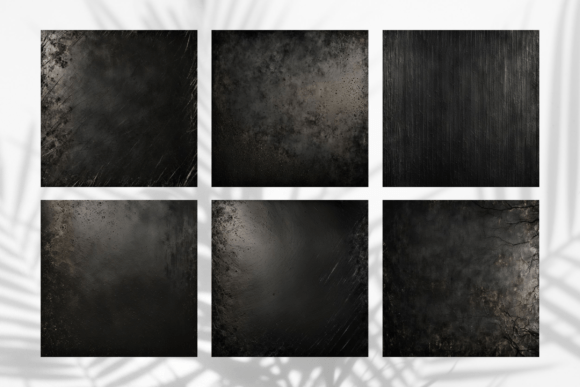
25. Black Distressed Grunge Textures
A set of 12 black distressed grunge-texture papers with a raw, gritty surface finish, close in style to the earlier grunge-texture set.
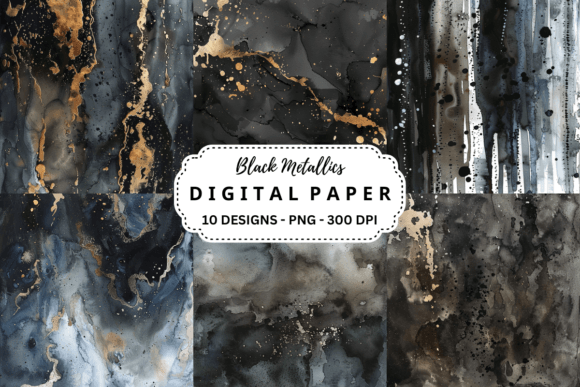
26. Black Metallics Digital Paper
A set of 10 black metallic digital papers with a foil-like sheen, a smoother finish than the textured foil set above.
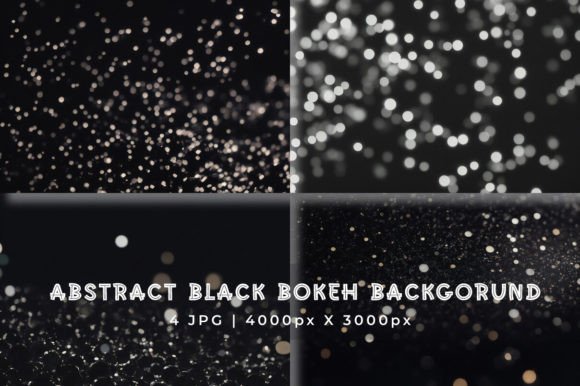
27. Realistic Black Bokeh Lights Background
A set of 4 black bokeh-light-effect backgrounds with a soft, glowing out-of-focus light pattern — a good pick if you want depth without a busy texture.
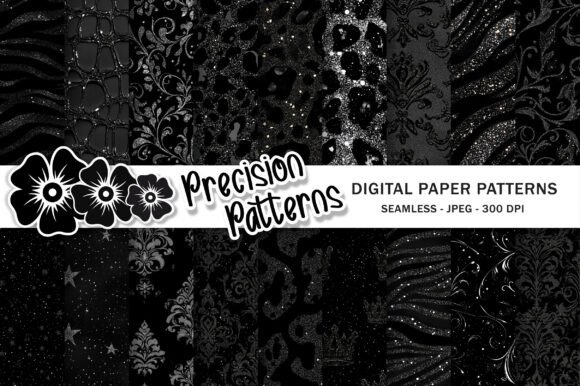
28. Black Glam Glitter Background
A set of 24 black glam-glitter digital papers at 12×12 inches, sized specifically with invitations and birth announcements in mind.
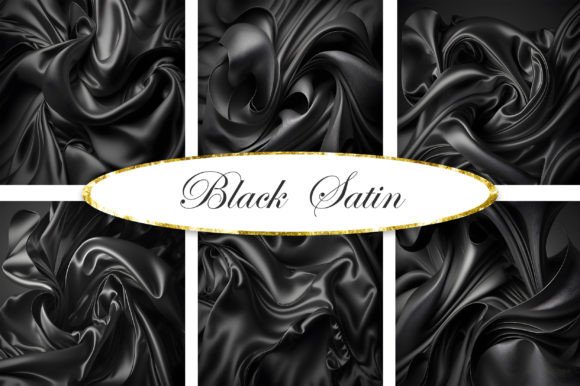
29. Black Satin Background
A set of 6 black satin-fabric-texture digital papers with a smooth sheen, closer to a fabric photograph than a flat colour or glitter.
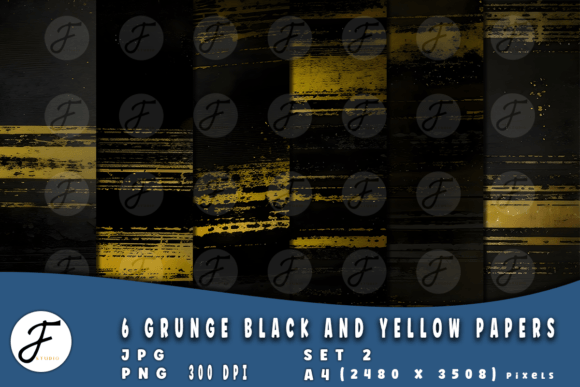
30. Grunge Black and Yellow Papers Vol 2
A set of 6 grunge black-and-yellow A4-format papers, the only listing here that pairs black with a bright accent colour rather than gold or red.
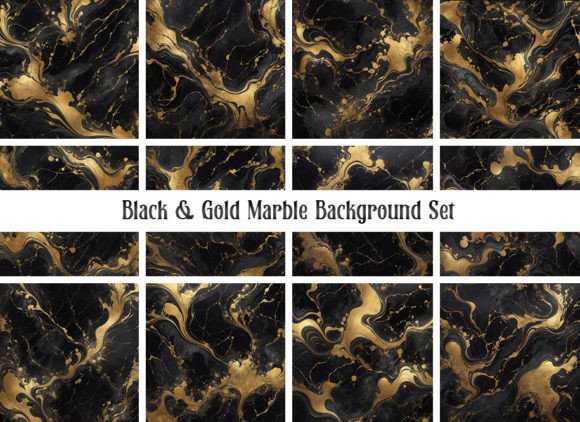
31. Black & Gold Marble Background Set
A set of 12 black-and-gold marble backgrounds sized for invitations and place cards at 3500x3500px.
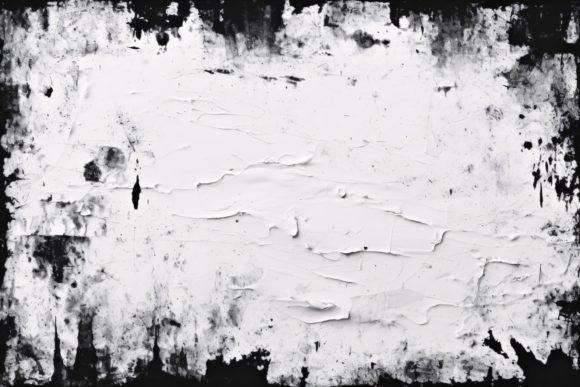
32. Grunge Black and White Texture
A single grunge black-and-white texture background at 3000x2000px, plain enough to sit behind text without competing for attention.
33. Black Textured Watercolor Background
A single black textured-watercolor background at 3000x2000px, the softest and least glossy finish in this entire list.

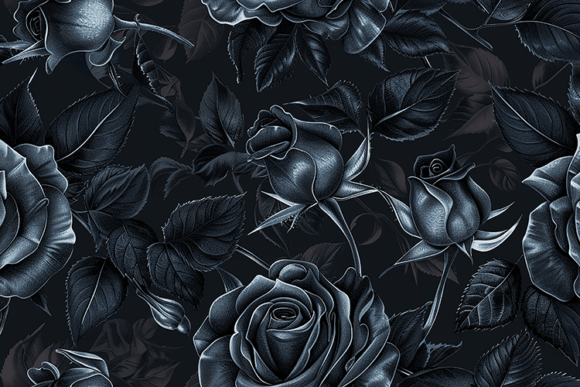
34. Gothic Black Rose Seamless Pattern
A set of 3 black-and-gold gothic rose pattern backgrounds at 5824x3264px, the most explicitly gothic-styled design in this set.
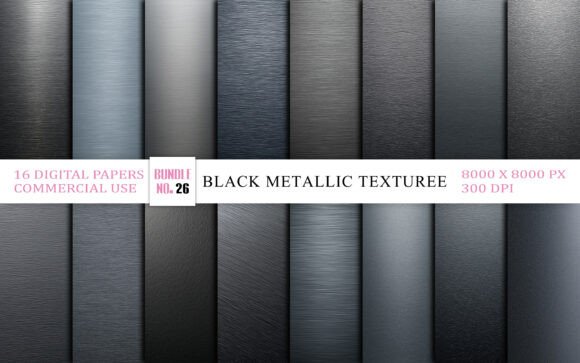
35. Black Metallic Texture Background Bundle
A set of 16 black metallic and brushed-steel texture backgrounds at a high-resolution 8000x8000px, with a polished, industrial surface finish.
For more dark-toned party inspiration, see our black birthday party aesthetic ideas.
Key Takeaways
- The most-saved background is a plain abstract brush-stroke set, not a decorated glitter or marble design — a texture that adapts to other designs tends to outsell something already busy.
- Marble, leather, and glitter each appear in multiple variants across this list, so you can match a specific finish rather than settling for the first result.
- Only one listing — the gothic rose pattern — leans into an explicitly gothic aesthetic; most of the rest are neutral textures that work for any dark-themed party.
- A few backgrounds, like the grunge black-and-yellow papers and the orange-black marble set, pair black with a bright accent colour rather than gold or red.
Frequently Asked Questions
What’s the difference between these black backgrounds and a plain black colour fill?
Every listing here has some texture, pattern, or effect — glitter, marble veining, leather grain, or brush strokes — rather than a single flat black, which gives an invitation or banner more visual depth.
What software do I need to use these backgrounds?
Most files are JPG or PNG, so they open in Canva, Photoshop, or any editor that supports those formats — no specialized software required.
Which background works best for a gothic or dark-aesthetic party?
The gothic rose pattern and the black lace junk journal papers lean most directly into a gothic look, while the marble, leather, and glitter sets read as more general “elegant dark” rather than specifically gothic.
Are any of these backgrounds sized for social media rather than print?
Most are supplied at print resolution (300 DPI) but at large enough pixel dimensions that they downscale cleanly for Instagram or Facebook posts without any quality loss.
What text color shows up best on a dark background like these?
White, cream, or metallic gold text reads most clearly against these black designs, especially on the marble and leather textures where the surface already has visual noise. Avoid dark red or navy text — it tends to disappear into the background at a glance. On the glitter backgrounds, keep text away from the busiest sparkle clusters so it stays legible when printed.