Most tutorials on handmade birthday cards for best friend paper crafts tell you how to glue the layers. None of them tell you what to glue them onto. Match the card to a cardstock weight by what it has to do: a flat, single-fold card needs a mid-weight sheet that creases clean, a pop-up or layered card needs a base heavier than the moving pieces, and tiny cut details need something lighter so they don’t snap off the sheet.
Paper weight is the part nobody writes down. It decides whether your homemade birthday card survives a fold or a pop-up mechanism.
Here’s how I match weight to card type now, including a diy birthday card for kids and a pop up birthday card paper weight problem nobody warns you about, after wrecking a few sheets of cardstock finding this out the hard way.
Quick answer: match the weight to the mechanism, not the mood.
- Flat, single-fold card: a mid-weight cardstock holds a crisp fold without cracking.
- Pop-up or layered 3D card: the base needs to be heavier than the moving parts, or the whole thing collapses when it’s closed.
- Tiny cut details (lettering, thin stems, lace-style cuts): go lighter here, a heavy sheet just snaps the small pieces off.
- Check the listing before you cut: some files state the paper weight and sheet size outright. Others don’t say a word about it, and you only find out after you’ve printed.
What “Paper by Weight” Actually Means for Your Card
Paper weight is written as gsm (grams per square meter) or lb (pounds): it tells you how stiff the sheet is before you fold it. A higher number holds a sharp fold and a 3D layer; a lower number bends easily but tears at small cut lines.
This detail is inconsistent across listings. 11 of 16 bundles checked here name a specific paper weight and sheet size, like the Happy Birthday Cards Bundle, which calls out a sturdy weight on a 5x7in base. The rest skip paper weight entirely, so you load whatever’s on hand and hope the layers hold.
11 of 16 birthday card SVG bundles checked in this category name a specific paper weight and sheet size in the listing; the rest leave it out, so the cutting weight becomes a guess.
Pro tip: a named weight is the minimum, not a suggestion you can skip.
Match the Weight to the Card You’re Actually Making
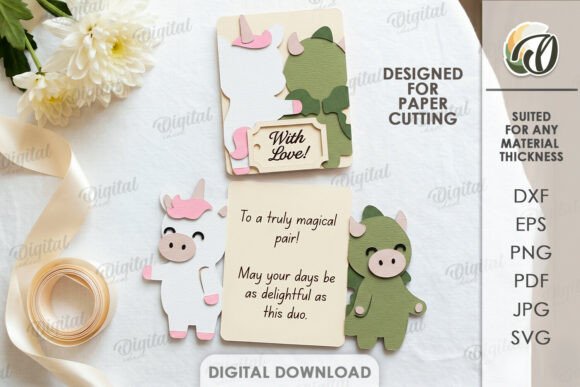
This is the part most tutorials skip. Here’s how I sort it by what the card has to do.
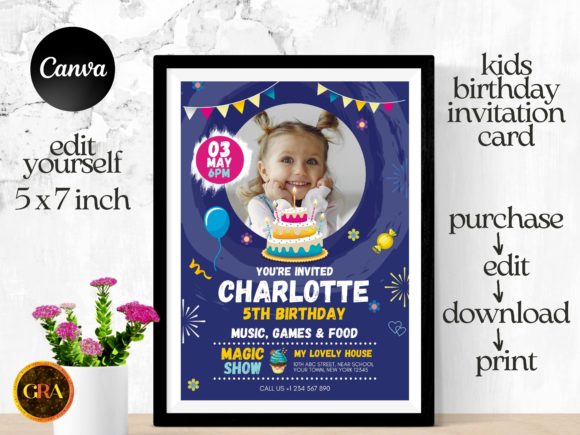
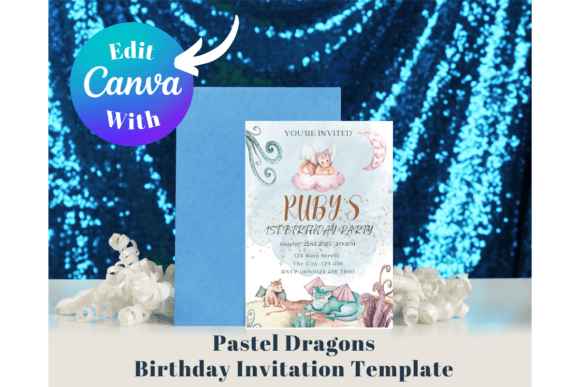
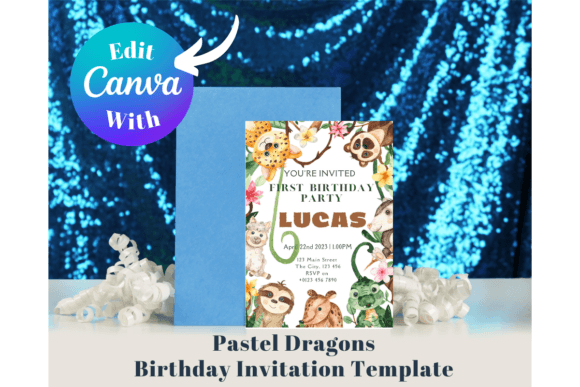
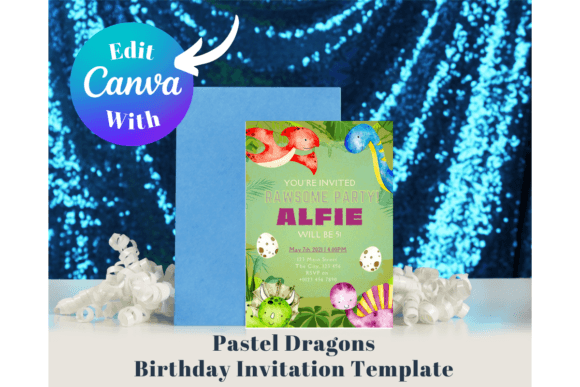
Related guide: 18 Kids Birthday Invitation Templates: Free & Premium for 2026.
| Card type | What the listing should state | Why it matters |
|---|---|---|
| Flat card, single fold, no moving parts | Around 60-80lb cardstock on a 5x7in base | Holds a clean fold without cracking along the crease |
| Large single-sheet design (big floral panel, oversized lettering) | 216gsm on a 12x12in sheet | Supports the full panel without warping at the edges |
| Pop-up or layered 3D card | A heavier base layer than the moving pieces | A base too light folds under the layers; the mechanism won’t spring back |
| Listing with no weight stated at all | Nothing, you’re guessing | You find out only after it’s cut, when the small pieces tear or won’t hold shape |
Pro tip: for a pop-up card, cut a scrap test of the base layer first and check it stands on its own. A pocket-style build like the Gaming Gift Card Holder SVG needs the same heavier-base logic, applied to a panel instead of a hinge.
Why Thin Paper Rips and Thick Paper Won’t Fold
Thin paper and thick paper fail in opposite ways, and matching the wrong one to the card type guarantees a redo.
A sheet that’s too light tears exactly where you need it to hold, at the fold and at any small cut detail, forcing a redo from scratch.
A sheet that’s too heavy won’t take a sharp fold at all. It springs back half-open, and on a pop-up design the mechanism doesn’t sit flat when closed.
If you’re building a pop-up card from score lines, this is the exact failure point to test before you cut the full sheet. The fix isn’t “use thicker paper to be safe,” it’s matching the weight to what that layer has to do.
Pro tip: run your thumbnail along a test fold before gluing anything. If it cracks white along the crease, the sheet is too light for that fold. A pull-tab build like the Lucky Pull Card makes this failure obvious fast, the tab tears on the first pull if the sheet’s too light.
Sizing Matters as Much as Weight
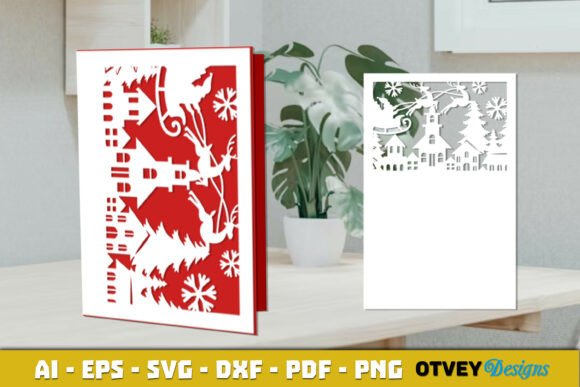
No clear size in inches or centimeters means you can’t match it to an envelope before weight even enters the picture.
Run fine details, like lettering or a pop-up cut-out, on a lighter sheet, and run the base on the heavier one. One card, two weights, that’s the real rule.
The same sizing check applies if you’re working through a 3D birthday card build in one evening, where there’s no time to redo a layer that came out wrong.
Run out of cardstock halfway through a layered design, and redoing one small detail wastes a sheet you can’t easily replace, the real reason to check a file’s stated weight before you cut, not after.
A single-sheet design like the 3D Rolled Paper Flower & Leaf SVG Bundle gives you one shot at sizing it right before the sheet is gone.
Birthday Card Files Worth Cutting, Sorted by Type
These files name their build clearly enough to plan your paper around, each one with its own verdict below.
Unlimited creative assets. Access to AI tools.
Commercial licence included.
Browse all
3D Rolled Paper Flower & Leaf SVG Bundle
Built as a layered, rolled 3D element, so the base layer needs to be sturdier than the rolled petals sitting on top of it. Best cut once you have already tested a base-plus-layer build on something simpler.

Big Bass Card
A single-theme greeting card cut, flat-card build. Suits a fishing-loving friend’s card: a clean one-fold design, no layered mechanism to plan weight around.

Happy Birthday Cards Bundle
This one states exactly what to load: a 60-80lb cardstock on a 5x7in base, the clearest paper instruction in this list. Good pick for stopping the paper-weight guesswork.
Unlimited creative assets. Access to AI tools.
Commercial licence included.
Browse all
Valentine Vibes Trio SVG Bundle
Three flat-card designs in one file, useful for batch-cutting from the same cardstock run instead of swapping sheets.

Built for Dad SVG Bundle
Another flat-build set for a specific recipient theme rather than a mechanism. Suits a quick, single-layer card with no pop-up base to plan around.

He is Risen Card 3DSVG
A 3D-layered build, same logic as the rolled flower file: the base carries the weight, so load the sturdier sheet there.
Unlimited creative assets. Access to AI tools.
Commercial licence included.
Browse all
Simple People
A flat, single-layer design, cut from one weight of cardstock with no base-versus-layer planning.

Gaming Gift Card Holder SVG
A pocket-style build, not a flat card: the pocket wants a sturdier sheet, since it holds a gift card’s weight without sagging. Good for a kid’s birthday where the card doubles as gift wrap.

Creative Comforts SVG Bundle
A themed flat-card bundle, suited to batch-cutting from the same paper stock.
Unlimited creative assets. Access to AI tools.
Commercial licence included.
Browse all
Lucky Pull Card
A pull-tab mechanism: the sliding piece needs to move freely, but the frame needs to hold its shape while you pull. Test it from scrap before committing your good sheet.
3D Rolled Paper Flower & Leaf SVG Bundle
Built as a layered, rolled 3D element. The base needs to be sturdier than the petals on top of it, so test a base-plus-layer build first.
Big Bass Card
A single-theme greeting card cut, flat-card build. Suits a fishing-loving friend’s card: a clean one-fold design, no layered mechanism to plan weight around.
Files that don’t name a paper weight anywhere in the listing still get cut, just on a guess, and you learn whether it was right after the glue is dry.
Avoid the Mistakes That Waste a Good Sheet
- Test the fold first: score and fold a scrap corner before you cut the full card. A crack along the line means the weight is too light for that fold.
- Check the size before the weight: a card with no stated dimensions in inches or centimeters is a sizing problem waiting to happen, match it to an envelope before you print.
- Keep tape off the front: run adhesive only where the next layer will cover it. Visible tape marks are the easiest “looks handmade in a bad way” mistake, fixed with planning, not a better tool, the same planning behind Cricut birthday cards for men.
- Load the heavier sheet for the base layer: on any layered or pop-up build, the base always takes the heavier cardstock, never the lightest sheet in your stack. A batch set like the Creative Comforts SVG Bundle is a low-risk one to test this rule on before you cut something you can’t redo.

Birthday Card Paper Questions, Answered
How Can I Make My Card Look More Professional?
Match the paper weight to the build before you cut, that’s the single biggest difference between store-bought and hand-glued looking.
A crisp, uncracked fold and a base that doesn’t sag under its own layers do more for the look than any extra decoration, the way the Built for Dad SVG Bundle holds its crease because the build is simple and flat.
What Should I Write Inside The Card?
Paper choice is about the build holding together; the message is a separate decision. For wording ideas, see birthday card ideas that make people laugh.
How Do I Avoid Messy Tape Marks?
Run adhesive only along edges that the next layer will fully cover, and keep it off any spot that stays visible on the front. Test-fit a layer without glue first so you know exactly where tape needs to go before it’s permanent.
The same test-fit habit saves a sheet on a 3D flower birthday card on specialty paper, where a misplaced dot of glue shows through a lighter sheet.
Can I Make A Pop Up Card Without Special Tools?
Yes. A pop-up mechanism is about the paper weight and the fold, not the tools. A heavier base layer and a lighter moving piece, cut and scored by hand, work the same way a cutting machine’s version does.
Which Website Works Best For Designing Cards?
This depends less on the design tool and more on whether the file you’re cutting states its paper weight and sheet size clearly. A clean design on the wrong paper still fails at the fold.
Key Takeaways
- Paper weight decides whether a fold cracks or holds, not the design itself.
- A base layer on a pop-up or layered card always needs to be heavier than the layers stacked on top of it.
- Small cut details fail first on a sheet that’s too heavy for them, not too light.
- A listing with no stated weight or size is a guess you’re making with your own cardstock.
Still shopping for the right file? Browse birthday card SVGs that state their paper weight up front, so you’re not guessing with your last sheet of cardstock.